A Legacy of Preaching and Worship
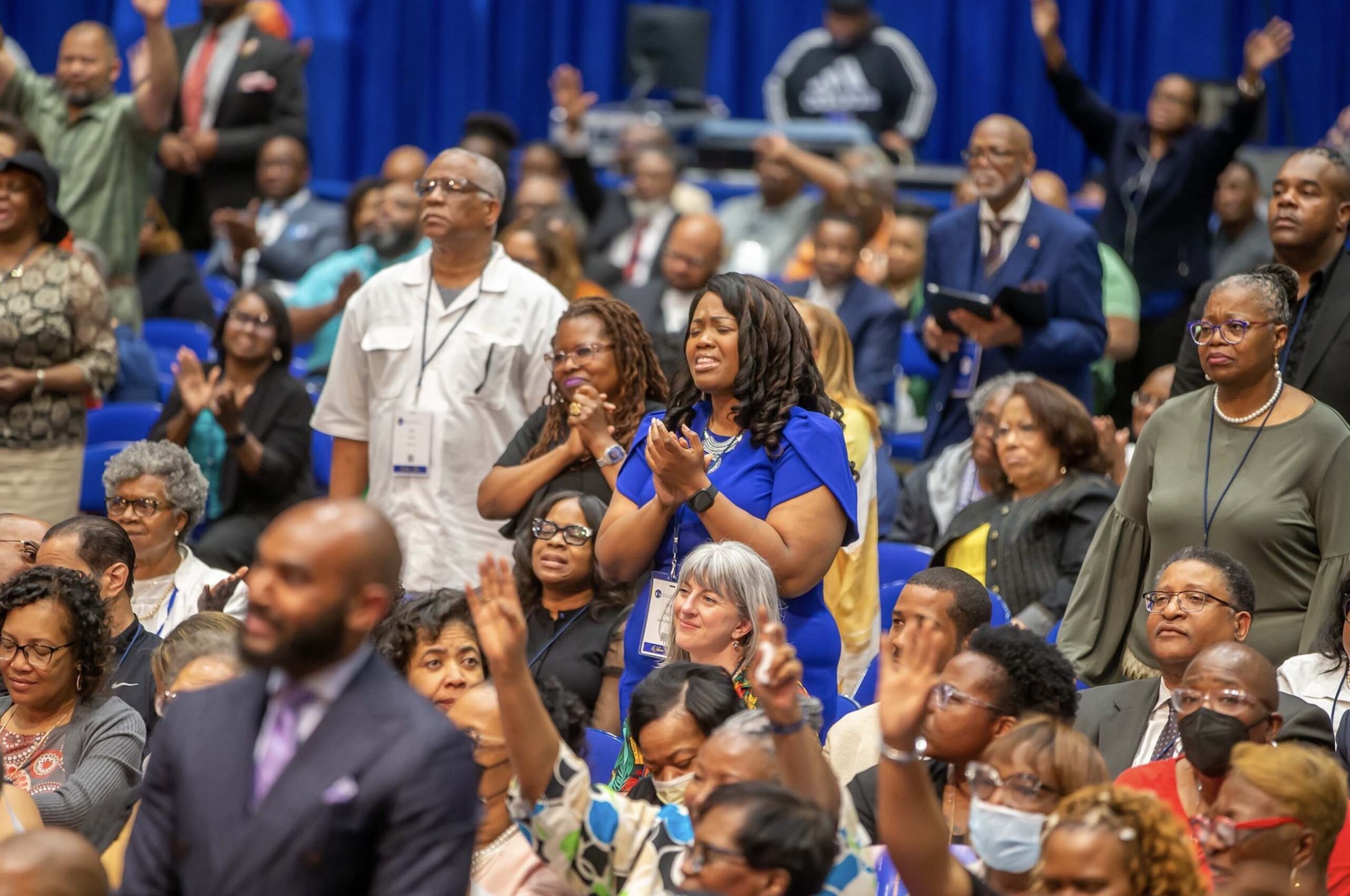
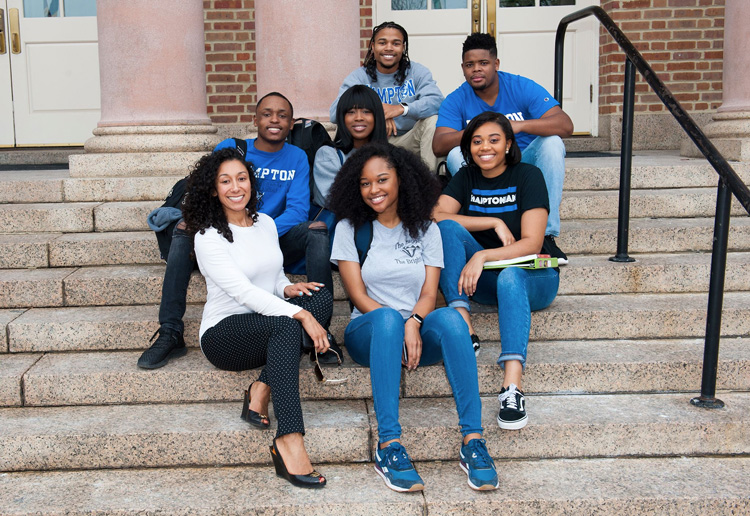
For more than a century, Hampton has been a meeting ground where ministry, education, and community service walk side by side. The Ministers Conference reflects this enduring vision—bringing leaders from every generation together to strengthen churches, classrooms, and communities across the South and beyond.
Our History
The Conference for Education in the South stands as one of the earliest organized movements dedicated to improving life in the post-slavery South for African Americans. Guided by Dr. Hollis Burke Frissell and Hampton Institute’s philosophy of training the hands, the head, and the heart, the conference championed a model of mass uplift that linked higher education with the mission of the Black church. Delegates from every walk of life convened to address urgent needs—better race relations, enriched religious education, character building, and the comprehensive development of Black communities.
What began in 1914 as the gathering of Negro Ministers of Tidewater, Virginia on Hampton’s campus grew into the Hampton University Ministers’ Conference, a national phenomenon that continually evolved with the changing realities of urbanization and the Great Migration. The strategic partnership between university chaplains, church leadership, and community servants affirmed a powerful truth: lifting the quality of the church and its music, teaching, and pastorate was essential to lifting the people it served.
In 1934, the addition of the Choir Directors’ and Organists’ Guild Workshop further deepened this impact, establishing the oldest college-sustained conference devoted to the life of African American clergy and church musicians—a tradition that endures to this day.
The Conference for Education in the South
Prior to the founding of Hampton Institute Ministers’ Conference, Dr. Hollis Burke Frissell, principal/president of Hampton Normal and Agricultural Institute, served as one of the major leaders of the Conference for Education in the South. This organization met to develop strategies for the enhancement of life in the South for African Americans. In 1913, over 250 delegates registered to attend the sixteenth annual session of the conference held in Richmond, Virginia. “For four days, farmers, businessmen, preachers, college women, school officials, and worker of all classes met to discuss ways to enhance life in the south with a particular orientation to focus on education6.
Hampton Institute (its name at the time) held a widely attended summer school for teachers and became the natural location for the development of the oldest conference of Black ministers. The idea was to work with an institution of higher learning willing to address the concerns of the Black church in relationship to the development of the newly freed African American community.
Therefore, the aim was to focus attention on black churches as vehicles for the comprehensive development of black communities. Unlike many HBCUs that sought to provide liberal arts education for the talented tenth, Hampton Normal and Agricultural Institute reflected the philosophy of mass uplift by training the hands (farmers), the head (teachers), and the heart (ministers) of the community. The idea of multiple disciplines and community service groups working in tandem with the faith community to “demonstrate the Body of Christ at work in the world building the Kingdom of God”7 was a justified emphasis in light of historical circumstances. In order to lift the community, it was prudent to improve the quality of the church and its leadership. Carter G. Woodson determined that the primary and urgent needs of the rural Negro church and community were, “better race relations, improved religious education, and character building.8 As a result of this strategic partnership between the church and community undergirded by the educational strength and national reputation of Hampton Institute, the formation of a new organization dedicated to the training of African American clergy was well underway.
The Conference of Negro Ministers of Tidewater, Virginia
The Negro Ministers of Tidewater, Virginia met for the first time June 29 through July 3, 1914 on the campus of Hampton Normal and Agricultural Institute in the campus chapel, the Memorial Church of Christ. The 1914 edition of The Southern Workman reported that in attendance were 40 ministers representing four mainline Protestant denominations: Baptist, Methodist, Episcopal, and Presbyterian. The total program included two lectures and two discussions pressing the importance of social action and clergy preparation for service to their communities. The 1914 gathering was a success and Reverend Hollis Frissell, formerly the college’s chaplain now president, recommended “the establishment of a conference in which ministers of all denominations could meet for a few days of study and discussion of the great common problems which they are facing in their work”.
The success of the first year led to further growth of the conference. The Rev. Dr. A. A. Graham was elected president, the Rev. G. W. Jimmerson was elected vice president, and the Rev. Laurence Fenninger, the Hampton Institute assistant chaplain, became executive secretary of the conference. Since Fenninger, the position of executive secretary has always been filled by the university chaplain, strategically strengthening the college-conference-community connection. For most of the conference’s history until 1976, the position of university chaplain and consequently conference executive secretary, had been occupied by white males. In some ways, this symbolized a partnership between the missional outreach of white churches, the social concern, spiritual uplift, and mission of black churches. Dr. Michael A. Battle became the first African American chaplain of Hampton University and Dr. Timothy T. Boddie the second African American chaplain. In 2008, Dr. Debra L. Haggins became the first female to serve as University Chaplain and Executive Director of the conference.
Hampton University Ministers’ Conference
As the Hampton University Ministers’ Conference (HUMC) evolved, it experienced a couple of name changes, reflecting its growth and transition into the mainstream of clergy life. In its second year, The Ministers’ Conference of Hampton Institute, and later The Hampton University Ministers’ Conference, were officially and legally adopted. The conference faced limited opposition early on due to the reality that numerous Baptist meetings and conferences were convening across the state of Virginia. Nevertheless, the conference continued to grow and flourish due to its outwardly focused aim and agenda to become a national rather than a local or regional phenomenon. However, the conference transitioned and expanded its focus to include addressing the needs of both urban and rural churches due to the great migration of blacks from the South to the North after World War II. The conference was lauded for establishing a powerful way for an institution of higher education, Hampton Institute, to affect community life through its fortification of the Negro church..
In 1934, the Annual Choir Directors’ and Organists’ Guild was added to the yearly gathering to develop the music ministry of the churches along with the pastorate. The Rev. Samuel A. Devan, university chaplain from 1930-1940, wrote about the addition to the conference, “This aroused so much interest that there have been requests that we provide in future conferences for the attendance of church music directors.”11 To this date, the Hampton University Ministers’ Conference-Choir Directors’ & Organists’ Guild Workshop remains the oldest of the conferences founded and sustained by colleges and universities.